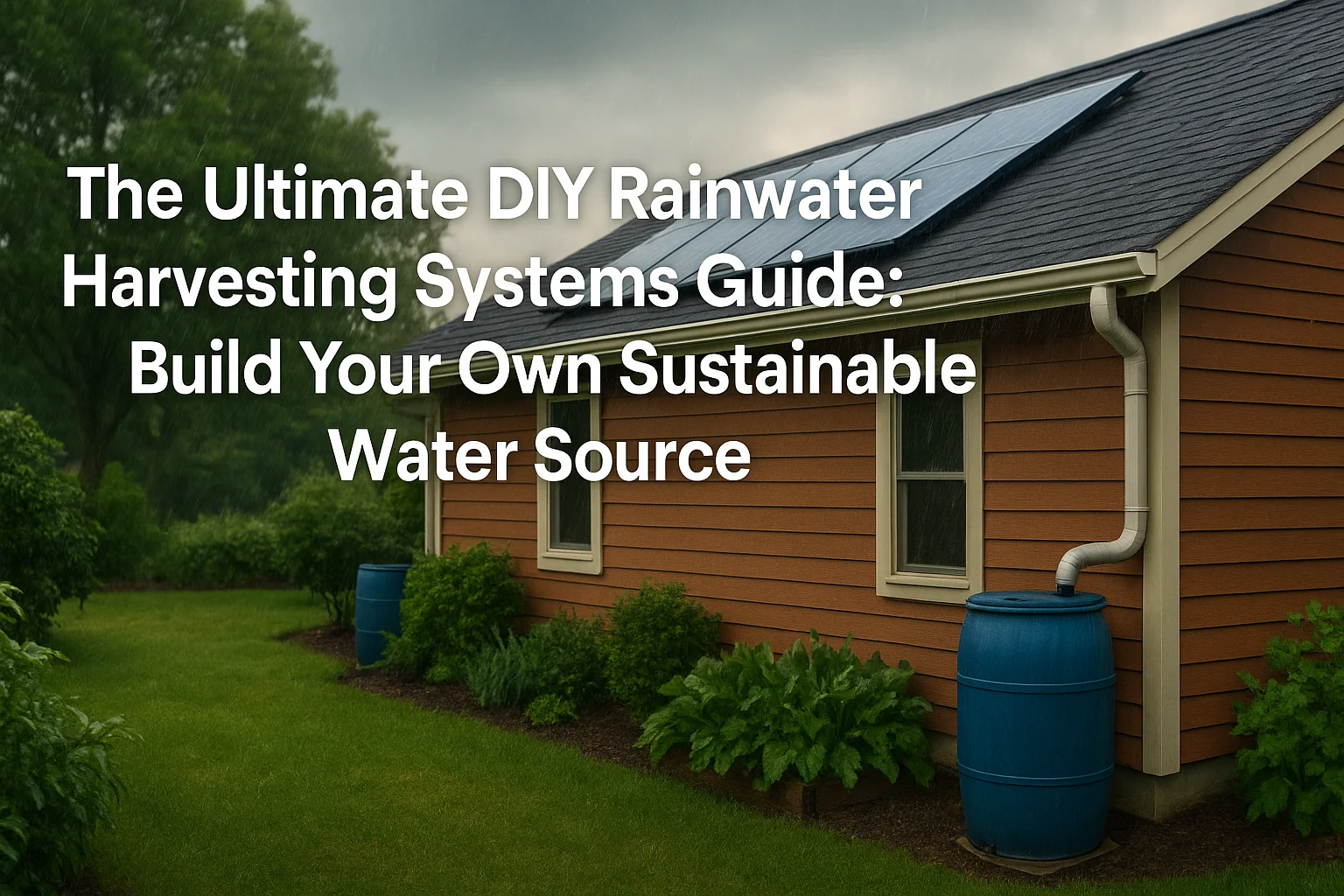
DIY Rainwater Catchment: Easy Shed Gutter System for Your Garden
Imagine harnessing nature's bounty to nourish your garden, reduce your water bill, and take a significant step towards self-sufficiency. Building a rainwater catchment system off your shed roof is an incredibly rewarding and surprisingly straightforward DIY project that can transform the way you water your plants. Whether you're striving for an off-grid lifestyle, looking to conserve resources, or simply want a convenient, free source of water for your flourishing vegetables, a shed gutter system is an ideal starting point. This guide will walk you through the process, from planning to installation, ensuring your garden thrives on nature's purest hydration.
Why Harness the Rain? The Benefits of DIY Rainwater Catchment
The idea of collecting rainwater isn't new, but its modern application offers compelling advantages for homeowners and homesteaders alike. One inch of rainfall on an average roof can collect an astonishing 600 gallons of water! Letting this precious resource simply run off into storm drains is a missed opportunity, especially when you consider the myriad benefits of collecting it.
Environmental & Economic Advantages
Implementing a DIY rainwater catchment system is a win for both your wallet and the planet. By collecting and utilizing rainwater, you significantly reduce your reliance on municipal water sources, which translates to lower utility bills. For those embracing off-grid living, it's an essential component of securing a reliable, independent water supply. Furthermore, reducing stormwater runoff helps prevent erosion and minimizes the strain on local drainage systems. It's a tangible step towards water conservation and sustainable living. If you're interested in a broader approach, explore how to
Off-Grid Water: Collect Hundreds of Gallons From Your Roof.
A Boon for Your Garden
Your garden will thank you for providing it with rainwater. Unlike treated tap water, rainwater is naturally soft and free of chlorine, chloramines, and other chemicals often found in city water. These chemicals, while safe for human consumption, can be detrimental to soil microbes and delicate plant roots over time. Rainwater provides plants with a gentle, pH-balanced source of hydration that encourages healthier growth, vibrant blooms, and more abundant harvests. Plus, having a readily available supply right by your garden makes watering far more convenient.
Getting Started: Planning Your Shed Rainwater System
Before you grab your tools, a little planning goes a long way. The beauty of this project is its simplicity, often achievable for
under a hundred dollars.
Choosing Your Shed & Supplies
Your garden shed serves as the perfect platform for this system. If you're building a new shed, consider its placement relative to your garden and the angle of its roof for optimal water collection. Many choose sturdy, pre-fabricated options like a 7x7 Rubbermaid Roughneck Gable Storage Shed for ease of assembly and a reliable surface for gutters.
When it comes to materials, simplicity and affordability are key:
- Gutters: Cheap vinyl gutters are an excellent choice for sheds. They are lightweight, easy to cut, and simple to install. While metal gutters (aluminum or steel) offer greater durability, vinyl is perfectly adequate for a smaller shed system and is more forgiving for DIYers.
- Gutter Hangers/Mounts: These are crucial for securing the gutters to your shed.
- Hardware: Machine screws, washers, and nuts will be needed for robust attachment.
- Gutter End with Drop: This piece directs the collected water downwards.
- Flex Spout: A flexible downspout extension is ideal for directing water precisely into your rain barrels.
- Hand Tools: Drill, measuring tape, hacksaw (for gutters), level, wrench.
Selecting Your Rain Barrels
Your water storage is just as important as your collection method. You'll need one or more barrels, typically ranging from 30 to 55 gallons each.
- New Rain Barrels: Many garden centers and online retailers offer purpose-built rain barrels. These often come with built-in spigots and overflow ports.
- Repurposed Barrels: A more economical option is to source used barrels. Companies that transport food-grade liquids (like juices, syrups, or pickles) often sell their used barrels cheaply. Crucially, ensure any repurposed barrel did NOT previously contain toxic substances such as oil, pesticides, or harsh chemicals. These residues are nearly impossible to clean thoroughly and pose a significant risk if the water is used on edible plants.
- Cleaning: Regardless of origin, thoroughly clean any barrel with warm, soapy water before use.
- Capacity & Connection: Consider starting with two or three barrels. You can easily connect them in series, allowing water to flow from one full barrel to the next until your entire system is full. This dramatically increases your storage capacity and ensures you have hundreds of gallons at your disposal.
Step-by-Step: How to Build a Rainwater Catchment Off a Roof
With your materials in hand, it's time to assemble your rainwater harvesting powerhouse.
Mounting the Gutters
This is often cited as the most challenging part, but with careful measurement and a steady hand, it's entirely manageable.
- Measure and Mark: Determine the length of gutter you need for your shed roof. Mark the location where your gutter will be installed, ensuring it extends slightly beyond your planned barrel location. Use a level to mark a slight downward slope (about 1/4 inch per 10 feet) towards the end where the water will drop. This ensures proper drainage.
- Install Gutter Hangers: Attach the gutter hangers to the shed. For a secure installation, especially on plastic or thin-walled sheds, you may need to drill through the shed wall. Use machine screws, securing them with washers and nuts on the inside for a robust connection. This method provides superior stability compared to simply screwing into the shed's exterior. Space hangers according to manufacturer recommendations, typically every 2-3 feet.
- Attach Gutters: Snap or screw the vinyl gutters into the installed hangers. Ensure the slope is maintained for efficient water flow.
- Install Gutter End with Drop: At the downhill end of your gutter run, install the gutter end piece that has a built-in drop. This component will funnel water into your downspout.
Connecting to Your Storage
Now, direct that precious rainwater into your barrels.
- Position Rain Barrels: Place your rain barrel(s) directly beneath the gutter end with the drop. Ensure they are on a stable, level surface, perhaps elevated slightly on a few bricks or a sturdy pallet to provide better spigot access later.
- Attach Flex Spout: Connect a flexible spout (often called a flex-spout or diverter spout) from the gutter end drop directly into the opening of your first rain barrel. This directs the water precisely and minimizes splash-out.
- Secure Barrels: To prevent accidental tipping and ensure stability, consider attaching your rain barrels to the shed or the gutter. A simple method is to attach two screws through the back of the gutter, extending into the top rim of the rain barrel, holding it firmly in place.
Expanding Your Capacity
If you have multiple barrels, connecting them is simple:
- Link Barrels: Use a short length of garden hose or specialized barrel connector kit to link your barrels. Typically, you'll drill a hole near the top of the first barrel and connect it to a corresponding hole in the second barrel. As the first barrel fills, the water will transfer to the second, then the third, until all are full.
- Overflow Management: Ensure your final barrel has an overflow mechanism to safely direct excess water away from your shed foundation once all barrels are completely full.
Maintaining Your Rainwater Catchment System
A little maintenance ensures your system runs efficiently year after year.
Ensuring Longevity and Purity
- Gutter Cleaning: Regularly clear leaves, twigs, and debris from your gutters, especially after heavy storms, to prevent blockages. Installing gutter guards or leaf screens can significantly reduce this task.
- Mosquito Control: Standing water can attract mosquitoes. Ensure your rain barrels have tight-fitting lids or screens over their openings to prevent mosquito breeding. Adding a few drops of mosquito dunk (a natural larvicide safe for plants and pets) is also an option.
- First-Flush Diverter (Optional but Recommended): A first-flush diverter is a simple device that diverts the initial flow of rainwater (which often contains roof debris, dust, and pollen) away from your barrels. After this "first flush" is collected, the cleaner water then flows into your storage. This significantly improves water quality.
- Winterizing (in Freezing Climates): In areas with freezing temperatures, drain your barrels and disconnect your gutters and spouts during winter to prevent ice damage.
- Check for Leaks: Periodically inspect all connections and barrel integrity for any leaks and repair them promptly.
Once filled with water, you can easily use it to fill a watering can or, for larger watering tasks, set up a pump, hose, or sprayer to irrigate your garden.
Conclusion
Building a rainwater catchment system off your shed roof is a practical, eco-friendly, and cost-effective project that yields immediate and lasting benefits for your garden and your lifestyle. From collecting hundreds of gallons of free, chemical-free water to embracing greater self-sufficiency, the rewards are immense. By following these straightforward steps, you can confidently install your own system and start harvesting nature's gift, transforming your garden into a greener, more sustainable oasis. Get started today and watch your plants flourish with every drop of collected rain!