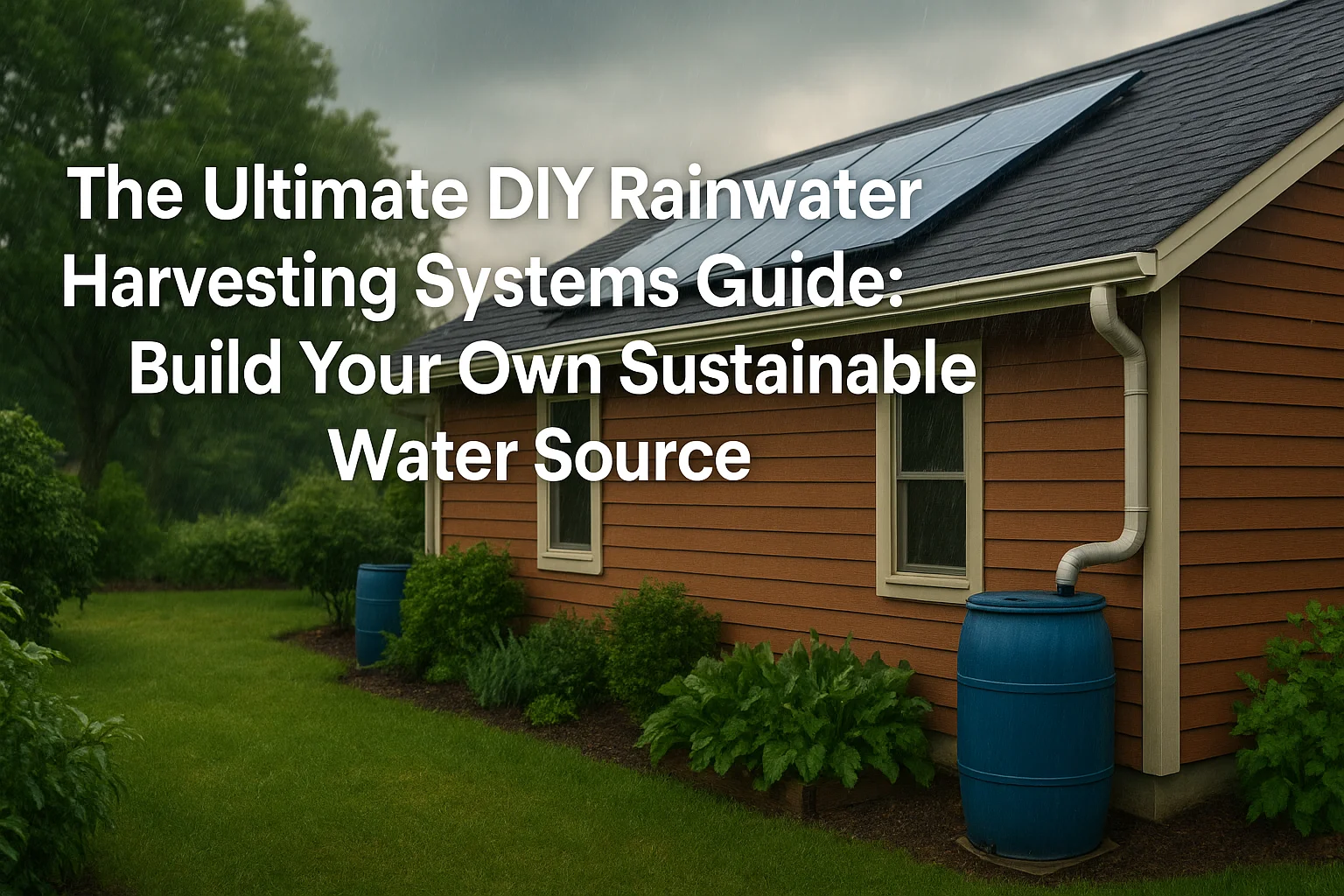
Off-Grid Water: Collect Hundreds of Gallons From Your Roof
Imagine harnessing the power of a simple rain shower to fill multiple barrels with hundreds of gallons of water, all for free. For anyone embracing an off-grid lifestyle, seeking greater self-sufficiency, or simply aiming to reduce their environmental footprint, building a rainwater catchment off a roof is not just a smart idea—it's an essential skill. Did you know that an average roof can collect an astonishing 600 gallons of water for every single inch of rainfall? That's a staggering amount of precious, natural resource often left to simply drain away. Don't let your roof's incredible potential go to waste!
Whether you're looking to water your flourishing vegetable garden, supply your animals, or have a backup source for various household needs, a DIY rainwater collection system is surprisingly easy to set up and can cost under a hundred dollars. This comprehensive guide will walk you through everything you need to know about building an efficient and affordable system, transforming your roof into a personal water well.
Why Embrace Rainwater Harvesting for Off-Grid Living?
The allure of off-grid living often stems from a desire for independence, sustainability, and a deeper connection to natural resources. Securing a reliable water source is paramount in this pursuit, especially for those who own raw land far from municipal utilities. Rainwater harvesting offers a compelling solution, providing numerous benefits:
- Unparalleled Self-Sufficiency: You become the master of your water supply, free from utility bills, water restrictions, and infrastructure failures. This is particularly vital for rural properties where municipal services are non-existent.
- Environmental Stewardship: By collecting rainwater, you reduce strain on local water tables, minimize runoff that can cause erosion, and lower your overall ecological footprint. It's a truly sustainable practice.
- Cost-Effective: Rainwater is completely free! Once your initial system is set up, your water costs plummet. This makes it an incredibly economical choice for watering gardens, washing vehicles, or other non-potable uses.
- Garden's Best Friend: Unlike treated municipal water, rainwater is naturally soft and free of chlorine, fluoride, and other chemicals. This makes it ideal for your plants and garden, promoting healthier growth and richer soil ecosystems. Many gardeners swear by rainwater for superior yields.
- Emergency Preparedness: A robust rainwater collection system serves as an invaluable backup during droughts, power outages, or other emergencies that might disrupt conventional water sources.
The ability to collect hundreds of gallons of water from your own roof with minimal effort is a game-changer for anyone committed to a more resilient and independent way of life.
Essential Components for Your Roof Rainwater Catchment System
To successfully build a rainwater catchment off a roof, you'll need a few key components. The good news is that most of these are readily available and often quite inexpensive. Here’s what you'll need to gather:
1. The Collection Surface: Your Roof
Your roof is the primary component! Whether it's the roof of your house, a garage, or even a small shed, any sloped surface can be a collection point. Generally, cleaner roof materials like metal or new asphalt shingles yield cleaner water. Before installing your system, it’s a good practice to give your roof a thorough cleaning to wash away any accumulated debris, leaves, or dirt.
2. Gutters and Downspouts
This is how the water travels from your roof to your storage. You don't need fancy, expensive options. Vinyl gutters are an excellent, affordable choice, easy to cut and install. You'll need:
- Gutters: Measure the length of the roof edge where you plan to collect water.
- Gutter Hangers: These secure the gutters to the fascia board or shed wall. Machine screws, washers, and nuts are often recommended for a secure attachment, especially if drilling directly through a shed wall.
- Gutter Ends: To cap off the gutter sections.
- Gutter Drop/Outlet: This piece funnels water from the gutter into your downspout.
- Downspout: Directs water downwards from the gutter drop.
- Flex Spout or Diverter: An optional but highly recommended piece of flexible tubing to direct water from the downspout precisely into your barrel inlet.
3. First Flush Diverter (Highly Recommended)
This is a critical addition for cleaner water. The first few gallons of rain after a dry spell often wash dust, bird droppings, and debris from your roof. A first flush diverter captures this initial, dirty flow and diverts it away, ensuring that only cleaner water enters your storage barrels. While not strictly part of the referenced systems, it significantly improves water quality for any use.
4. Filtration (Basic)
At a minimum, you'll want a screen or mesh filter over the barrel inlet to prevent leaves, insects, and larger debris from entering your water storage. Some downspout diverters also incorporate screens.
5. Water Storage Barrels
This is where your precious water will reside. You can buy purpose-built rain barrels, but it's often cheaper to acquire used, food-grade barrels (e.g., from juice or syrup distributors). A typical rain barrel holds 30-55 gallons. When choosing barrels:
- Safety First: Ensure they never contained toxic substances like oil, pesticides, or chemicals. These are nearly impossible to clean thoroughly.
- Cleanliness: Always clean used barrels thoroughly with soapy water before use.
- Capacity: Get multiple barrels! Connecting two or three barrels in series can easily store hundreds of gallons of water, exponentially increasing your collection capacity.
- Connectivity: Plan for hoses or PVC pipes to connect barrels at the bottom or mid-level, allowing them to fill sequentially and equalize water levels.
6. Dispensing Mechanism
You’ll need a way to get the water out. This typically involves installing a spigot near the bottom of each barrel. For higher pressure, you might consider a small pump and hose sprayer, especially for garden irrigation.
Step-by-Step Guide: How to Build a Rainwater Catchment Off a Roof
Ready to get your hands dirty? Here’s a practical guide on how to build a rainwater catchment off a roof, transforming an overlooked resource into a valuable asset.
1. Plan Your System and Prepare the Site
- Identify Your Roof: Choose the best roof section for collection. South-facing roofs might get more sun (leading to algae growth), while north-facing might stay cooler. A shed roof, as seen in many successful DIY projects, is an excellent starting point due to its manageable size and accessibility.
- Clear the Area: Ensure the ground beneath your intended barrel location is level and stable. A gravel pad or concrete pavers can provide a solid foundation. Consider elevating your barrels slightly on cinder blocks to allow for better gravity-fed water flow from the spigot.
- Clean Your Roof: Remove any leaves, twigs, or accumulated grime from the section of the roof that will drain into your gutters.
2. Install Gutters and Downspout
- Measure and Cut Gutters: Measure the length of your chosen roof edge and cut your vinyl gutters to size using a utility knife or hacksaw.
- Attach Gutter Hangers: Install the gutter hangers along the fascia board or directly onto your shed wall. For robust attachment to a shed, drill pilot holes and use machine screws, washers, and nuts, ensuring a strong, lasting hold.
- Ensure Proper Slope: A crucial detail often overlooked! Ensure the gutters have a slight downward slope (about 1/4 inch for every 10 feet) towards the gutter drop. This ensures water flows efficiently towards your collection point and doesn't sit in the gutter.
- Install Gutter Ends and Drop: Cap off the ends of your gutter run and attach the gutter drop where your downspout will connect.
- Connect Downspout: Attach the downspout to the gutter drop. If using a flex spout, connect it to the downspout or directly to the gutter drop, directing it towards your first barrel.
3. Position and Connect Storage Barrels
- Place Barrels: Position your rain barrels on your prepared, level foundation.
- Connect First Barrel: Direct the flex spout or downspout into the inlet of your first barrel. Install a screen over the barrel's inlet to keep out debris. For added stability, you can attach the downspout/barrel system to your shed with a couple of screws, as some DIYers do.
- Link Multiple Barrels: If using multiple barrels, drill holes near the bottom or middle of each barrel. Use short sections of hose or PVC pipe and appropriate bulkheads/sealants to connect them in series. When the first barrel fills, water will automatically transfer to the second, and so on, maximizing your storage capacity.
4. Integrate First Flush and Spigots
- Install First Flush Diverter: If you've decided to add a first flush diverter (highly recommended for cleaner water), install it in the downspout line just before the water enters your first barrel.
- Install Spigots: Drill a hole near the bottom of each barrel and install a watertight spigot. This allows easy access for filling watering cans or connecting a garden hose.
Maximizing Your Off-Grid Water Collection System
Once your rainwater catchment system is built, a few extra tips can help you get the most out of your off-grid water source:
- Regular Maintenance: Periodically clean your gutters to prevent clogs. Check your barrels for leaks and ensure inlet screens are clear of debris. Every few months, consider emptying and rinsing your barrels to prevent sediment buildup or algae growth.
- Winterization: In climates with freezing winters, completely drain your gutters and barrels to prevent ice expansion from damaging your system. Disconnect downspouts and store flex spouts.
- Know Your Water's Use: Remember, unpurified rainwater collected from a roof is typically suitable for non-potable uses only—gardening, flushing toilets, cleaning, laundry, etc. If you plan to use it for drinking or cooking, you'll need advanced filtration and purification systems.
- Child and Pet Safety: Ensure all barrel openings are securely covered to prevent children or pets from falling in.
- Check Local Regulations: While rainwater harvesting is generally encouraged, some areas may have specific regulations or guidelines. It's always wise to check with your local municipality or homeowner's association.
Building a rainwater catchment system off your roof is a rewarding project that empowers you with a sustainable, free, and reliable water source. It's a foundational step towards greater self-sufficiency and a deeper connection to the natural world. With a modest investment of time and materials, you can easily collect hundreds of gallons of water, transforming an everyday rain shower into an invaluable asset for your off-grid adventure.
